The Psychology of Event Marketing: What Makes People Buy Tickets

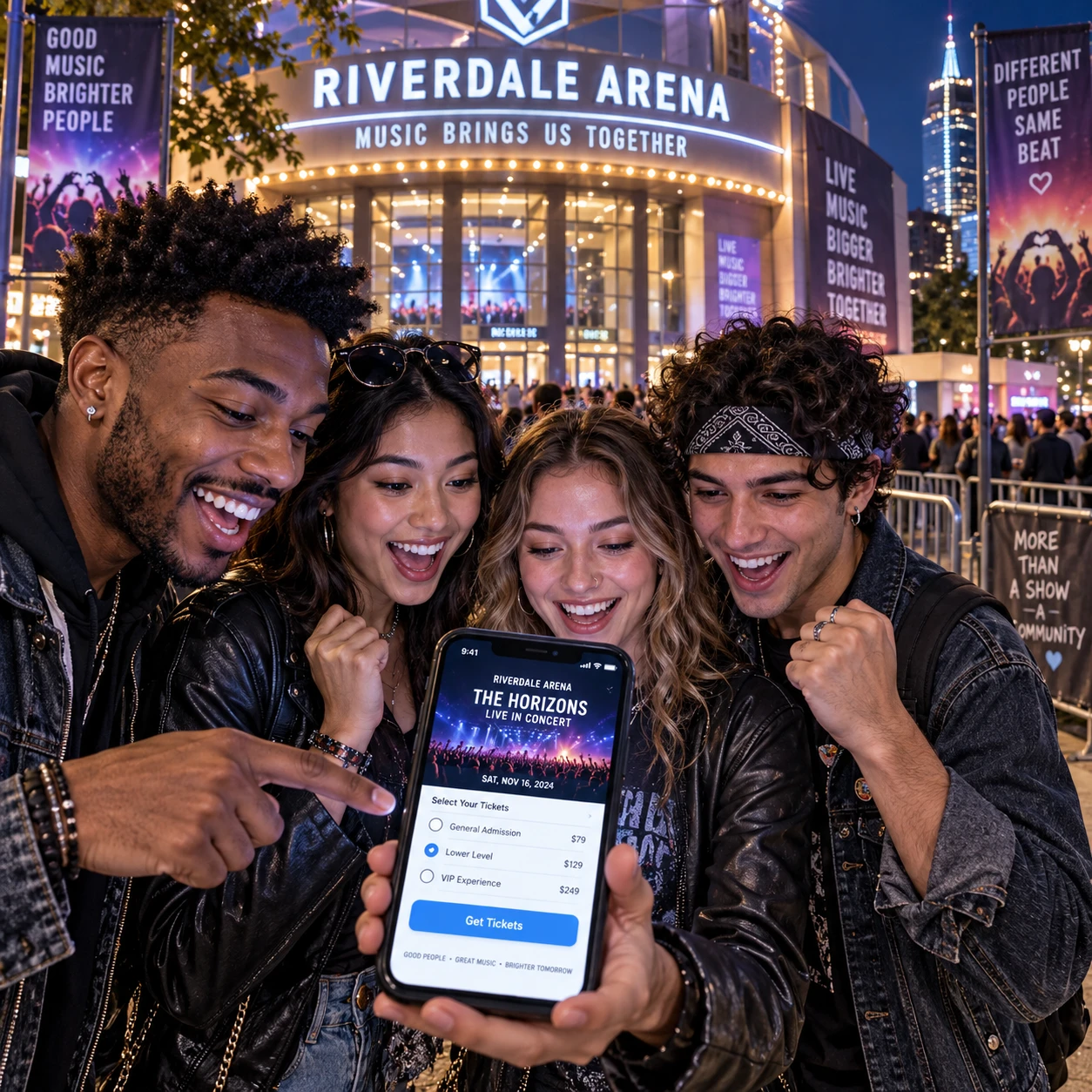
People buy event tickets when they can picture a worthwhile experience and feel confident about booking it. Event marketing can strengthen that confidence by speaking to emotional motivations, showing credible social proof, explaining value clearly, and removing avoidable purchase friction.
These influences do not guarantee a sale. A compelling message cannot overcome a date that does not work or a price that does not fit someone’s budget. The goal is to help the right audience make an informed decision, not to push every visitor toward checkout.
The emotional reasons people attend events
People attend events to feel connected, excited, inspired, or part of something that reflects who they are. Event marketing works best when it shows the experience behind the ticket, not just the event’s name and schedule.
Belonging matters: a fan may want to share a concert with friends, while a professional may value meeting peers at a conference. Excitement comes from anticipation, whether that means seeing a favorite performer, tasting food from local chefs, or taking part in a one-night-only experience. Events can also reinforce identity. Choosing a particular festival, exhibition, or community gathering can express a person’s interests and values.
Make those motivations tangible. Describe what attendees will see, do, learn, or feel. A vague promise of an “unforgettable night” is less persuasive than a clear account of the live sets, interactive activities, or people they can expect to meet. Strong emotional appeal helps a potential buyer imagine being there, while accurate details keep expectations realistic.
How social proof builds confidence
Social proof helps people judge an unfamiliar event by showing that others have chosen it, enjoyed it, or plan to attend. Relevant, verifiable signals can reduce uncertainty, especially for first-time visitors.
Useful signals include attendee testimonials, reviews from past editions, recognizable speakers or performers, and genuine indicators of audience interest. A short comment about the venue’s accessibility or the quality of a workshop may answer a practical concern better than general praise. If you display ticket sales or attendance numbers, make sure they are current and accurate.
Social proof should match the event. Testimonials from a previous year can build credibility, but label them clearly and avoid implying that a past attendee is reviewing an upcoming edition. Likewise, a large follower count does not prove that an event will suit every buyer. Pair audience feedback with specific event information so people can decide whether the experience fits their needs.
Why urgency and scarcity influence decisions
Urgency and scarcity can prompt a ticket purchase when a real deadline or capacity limit gives people a valid reason to decide now. Honest time limits help buyers understand their options; invented countdowns damage trust.
Early-bird pricing is a clear example: the lower price ends on a stated date, after which the next ticket tier applies. Venue capacity can also create genuine scarcity, as long as availability reflects actual inventory. Explain what changes when a deadline passes, and show the relevant date, time zone, and ticket conditions.
FOMO, or fear of missing out, can add emotional weight to a decision, particularly for a unique event or a limited-capacity performance. But overusing it can make a campaign feel pressuring. Avoid resetting countdowns, false “almost sold out” claims, or vague warnings. If tickets are still widely available, say so. Clear urgency supports a decision; deceptive scarcity may produce a short-term sale at the cost of future credibility.
Making the ticket price feel worthwhile
Ticket price feels worthwhile when buyers can see what it covers and why the experience fits their priorities. Clear benefits, useful event details, and understandable pricing help people compare cost with expected value.
Spell out what each ticket includes: access to sessions, food, materials, reserved seating, or other benefits. State what costs extra, too. For a multi-tier event, distinguish the options by practical differences rather than labels alone. A buyer should be able to tell why a VIP ticket costs more and whether those extras matter to them.
Payment options can make a price easier to manage, though installment plans may involve fees or eligibility rules. Disclose those terms before checkout. Also show the full amount, including mandatory fees, early enough for people to assess it. Unexpected charges can turn a seemingly affordable ticket into a frustrating purchase.
Perceived value is personal. Someone who prizes convenience may prefer a higher-priced reserved seat; another attendee may choose general admission. Present the details without insisting that every ticket is a bargain. Specific value is more convincing than broad claims about an event being worth every penny.
Building trust before checkout
Trust grows when an event page makes the organizer, event details, and ticket terms easy to verify. Buyers are more likely to proceed when they understand what they are booking and what happens if plans change.
Include the date, start and end times, venue address, accessibility information, age restrictions, and a realistic description of the program. Name the organizer and provide a reliable way to contact them. If performers or schedules may change, explain that possibility rather than promising an unchangeable lineup.
Ticket terms should answer common concerns: transferability, refunds, cancellations, resale rules, and entry requirements. Put important conditions near the purchase decision, not only in hard-to-find fine print. Use secure payment processing and identify the ticketing provider where relevant. Trust and credibility depend on consistency: the checkout page should match the event page on price, ticket type, and key terms.
Removing friction from the buying journey
A straightforward ticket selection and checkout process helps prevent avoidable drop-off. Buyers should be able to choose the right ticket, understand the total cost, and complete payment without unnecessary steps or surprises.
Keep the booking path focused. Show ticket names, prices, availability, and key differences together. Ask only for information needed to complete the booking or deliver the event. On mobile, make buttons easy to tap, forms simple to complete, and error messages clear enough to fix without starting over.
Before launch, test the purchase journey on a phone and desktop. Check that promo codes work, fees appear at the right stage, confirmation emails arrive, and tickets are easy to find afterward. A clear call to action, such as “Choose tickets,” tells visitors what to do next without adding pressure. Fewer steps can help, but removing necessary details or consent choices is not a worthwhile shortcut.
Turning psychological insight into responsible marketing
Responsible event marketing connects emotional appeal, social proof, urgency, and perceived value to facts people can check. Use these principles to answer genuine questions and make the ticket purchase decision easier, not to manufacture pressure.
A practical check is to review each message through four lenses:
- Emotion: Does the copy help the intended audience picture a real experience?
- Evidence: Are testimonials, attendance claims, and availability statements accurate and current?
- Value: Can visitors tell what the ticket includes and what it costs in total?
- Effort: Can someone understand the terms and complete checkout without avoidable obstacles?
Use urgency only when a deadline or capacity limit is genuine. Show social proof only when it is relevant and authentic. If buyers keep hesitating, look for unanswered questions, unclear ticket differences, or unexpected costs before assuming they need more persuasive messaging. This approach may not win every sale, but it gives people a fair basis for choosing and protects the long-term relationship between attendees and organizers.
Frequently asked questions
How does social proof influence ticket sales?
Social proof gives potential attendees evidence that others have engaged with or valued an event. Genuine testimonials, relevant reviews, and accurate attendance information can reduce uncertainty, but they work best alongside clear details about the event itself.
Does FOMO help sell event tickets?
FOMO can encourage people to act when an event is genuinely limited or a real offer is ending. False scarcity and recycled countdowns can undermine trust, so use only accurate deadlines and availability information.
How can event organizers make ticket prices feel worthwhile?
Explain what each ticket includes, identify any additional costs, and make differences between ticket tiers easy to compare. Showing the full price and practical benefits helps people decide whether the experience fits their budget and priorities.
What makes people hesitate before buying tickets?
Common reasons include uncertainty about the event, unclear pricing or ticket terms, questions about the organizer, inconvenient dates, and a confusing checkout. Address the concerns with specific information and a simple booking process rather than stronger pressure.