The Future of Event Ticketing: How Blockchain and NFTs Could Change Ticket Booking

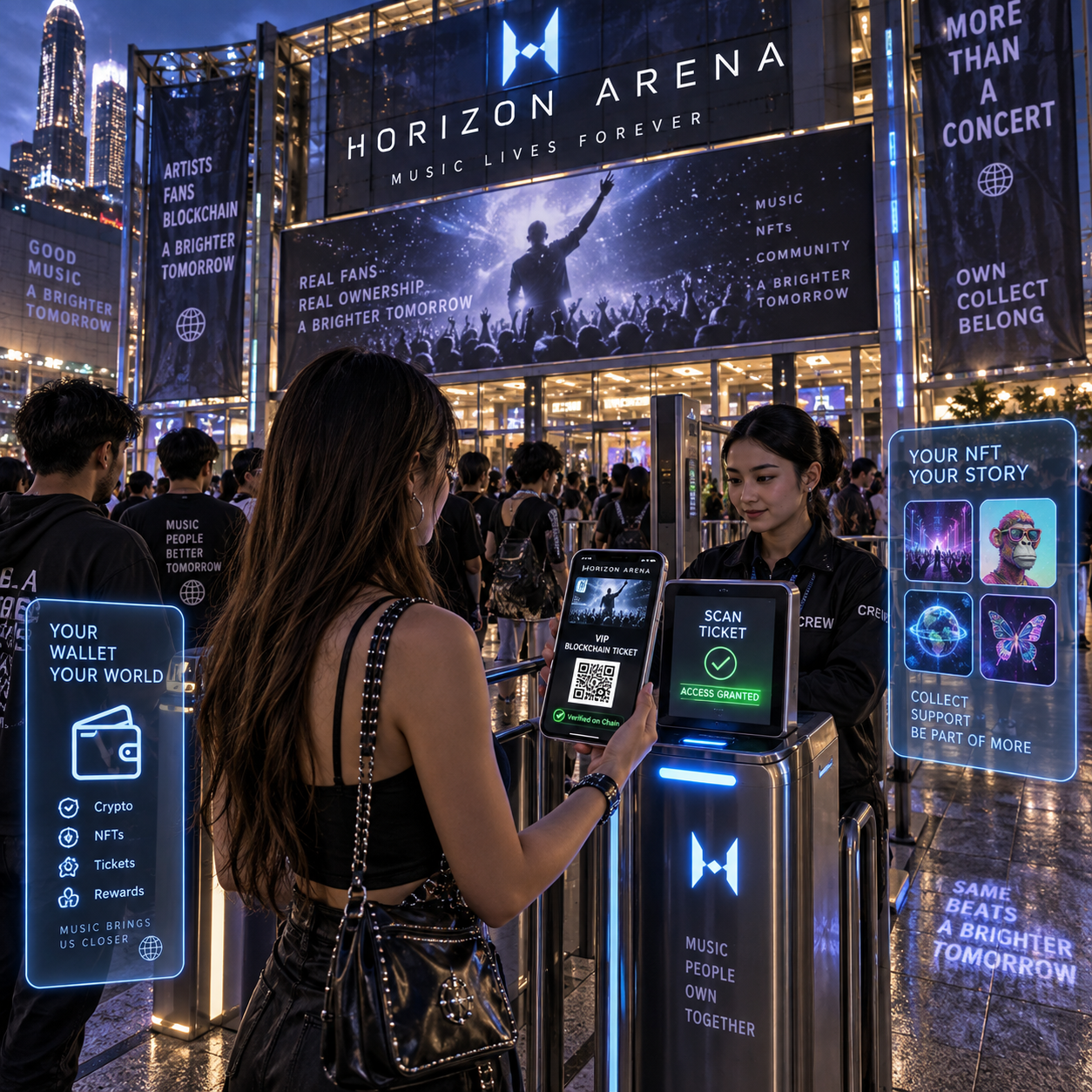
Event ticketing is moving beyond a simple barcode on a phone. Blockchain ticketing and NFT event tickets could give fans clearer proof of ownership, safer transfers, and richer relationships with events, while helping organizers control how tickets are issued and resold. The technology is promising, but its success will depend on whether it makes booking and entry easier rather than more complicated.
Why Event Ticketing Is Evolving
Event ticketing is evolving because traditional systems often struggle with fraud, opaque resale, fragmented ownership, and disconnected attendee experiences. New digital tools aim to make a ticket easier to verify and more useful before, during, and after an event.
Many buyers have encountered familiar problems: counterfeit tickets sold through unofficial channels, unclear transfer rules, sudden resale markups, or a ticket that becomes unusable after changing phones or accounts. Event organizers also face difficult trade-offs. They want tickets to reach genuine fans, yet they must support flexible transfers when plans change.
Conventional digital tickets solve part of the problem by replacing paper with a barcode or QR code. However, the ticket usually remains controlled by a centralized ticketing platform. That platform may not provide a complete, portable record of ownership or a consistent way to enforce resale conditions across different marketplaces.
Blockchain-based systems approach the issue from another direction. They can create a shared record of issuance, ownership, and transfer. A fan may still use a familiar mobile app, while the underlying system provides stronger digital ticket authentication. The aim is practical: a safer purchase, a verifiable transfer, and fewer disputes at the venue.
How Blockchain Works in Event Ticketing
Blockchain in event ticketing records ticket activity on a shared, tamper-resistant digital ledger. When a ticket is issued or transferred, the transaction can be verified against that record instead of relying only on a screenshot, email, or database entry.
A blockchain is a network of computers that maintains an agreed record of transactions. Each entry is linked to earlier entries, making unauthorized changes difficult to hide. In ticketing, the record might show that an organizer created 10,000 tickets, assigned one to a buyer, and later approved its transfer to another attendee.
Smart contracts add programmable rules. For example, an organizer could set a maximum resale price, restrict transfers until a certain date, or automatically invalidate an old ticket when a new owner receives it. These rules do not remove the need for customer support or legal oversight, but they can make ticket conditions more consistent.
A typical blockchain ticketing process could look like this:
- The event organizer creates a defined supply of digital tickets.
- A ticketing platform issues each ticket with a unique blockchain record.
- The buyer receives access through an account or digital wallet.
- The system verifies ownership when the ticket is transferred or scanned.
- Smart-contract rules govern approved resale, refunds, or access benefits.
The public record does not need to expose a buyer’s name. A platform can connect a blockchain identifier to a private customer account while showing only the information needed for verification. That design choice matters because transparency and privacy must be balanced carefully.
For background, the Wikipedia overview of blockchain explains the underlying ledger concept in accessible terms.
What Are NFT Event Tickets?
NFT event tickets are unique digital tokens that can represent admission, ownership, or access rights to an event. Unlike an ordinary image file, an NFT can carry a verifiable identifier and programmable rules, although the token itself does not automatically guarantee entry.
NFT stands for non-fungible token. “Non-fungible” means that each token is distinguishable from another token, much like one numbered seat differs from another. An NFT ticket may represent a specific seat, a general admission pass, a festival credential, or a membership connected to multiple events.
The practical ticketing function comes first. The token can help prove that a ticket was issued by an authorized organizer and identify its current holder. A platform may also attach metadata such as event name, date, section, seat, transfer history, and access level.
The collectible function is separate. After a concert, the same ticket could become a commemorative digital collectible featuring artwork, an attendance badge, or a recording of a memorable moment. Organizers should explain clearly whether the NFT grants entry, stores a collectible, or does both.
Attendees do not necessarily need to understand token standards or cryptocurrency. A booking platform can create a wallet in the background, email a claim link, or display the NFT inside its existing mobile application. The user experience should feel like ticket booking, not a technical exercise.
Potential Benefits for Fans and Event Organizers
Blockchain and NFT tickets can improve authenticity, ownership visibility, controlled transfers, and access to ticket-related benefits. These advantages are strongest when the technology remains behind a simple booking and entry interface.
Authenticity and counterfeit prevention
Each ticket can have a unique record tied to an authorized issuer. At entry, the platform can check whether the token is genuine, active, and assigned to the person presenting it. This makes ordinary counterfeit copies less useful, although blockchain cannot stop every form of account theft or social engineering.
Clearer ownership and transfers
A verified transfer can move a ticket from one buyer to another while preserving a traceable history. The previous ticket may automatically become invalid, reducing the risk that two people present the same barcode. Organizers can also decide whether transfers are free, limited, delayed, or restricted to approved ticket resale marketplaces.
Fairer resale controls
Smart contracts may enforce rules such as a resale cap or a share of secondary-market revenue for the organizer. This does not guarantee affordable tickets, since pricing also depends on demand and policy. It does give organizers more direct control over the conditions attached to resale.
More useful digital ownership
A ticket could unlock early booking, merchandise discounts, loyalty points, or priority access to a future event. A fan who attended three shows might receive a verified offer without relying on disconnected email lists. For organizers, the result can be a more reliable picture of engagement, subject to privacy and consent requirements.
Choosing blockchain for these benefits means accepting additional design and operational work. The organizer must manage wallet recovery, customer support, compatibility, and clear communication. A technically elegant system that loses buyers at checkout has failed its main purpose.
Beyond Entry: New Experiences Enabled by NFT Tickets
NFT tickets can extend an event relationship beyond the entrance by linking admission to collectibles, loyalty programs, VIP access, and post-event rewards. The most valuable applications treat the ticket as a continuing membership credential rather than a speculative asset.
A festival could issue a digital collectible after each day of attendance. A sports club might connect a season ticket to priority presales, members-only content, and invitations to local events. A concert promoter could provide backstage video, a signed digital poster, or a discount on the next tour to verified attendees.
These benefits can follow a controlled lifecycle. The ticket may grant entry before the event, convert into a collectible afterward, and later qualify the holder for a loyalty offer. Organizers can also create tiers: general admission, premium, VIP, and lifetime member. Each tier can carry different access rights without requiring a separate database for every campaign.
Personalization requires restraint. A fan may appreciate a relevant presale invitation but dislike extensive tracking of movements or spending. Organizers should collect only the information needed, provide understandable consent choices, and explain how wallet and account data are used.
Challenges and Risks to Consider
Blockchain ticketing still faces usability, cost, privacy, compatibility, regulatory, environmental, and adoption challenges. These limitations can outweigh the benefits when an event has a broad audience or very low-cost tickets.
- Wallet complexity: Seed phrases, network selection, and lost credentials can confuse first-time users. Account recovery must be as straightforward as ordinary ticket support.
- Accessibility: People without compatible phones, reliable internet, or digital-asset experience still need a practical route to entry. A wallet-only policy can exclude legitimate attendees.
- Transaction costs: Network fees may fluctuate and can be disproportionate for inexpensive tickets. Platforms may absorb fees, use lower-cost networks, or avoid on-chain actions where they add little value.
- Privacy: A permanent transaction history may reveal relationships between wallets and events. Systems should minimize personal data and avoid treating public visibility as a substitute for privacy controls.
- Compatibility: Tickets may fail if wallets, chains, ticketing platforms, scanners, or resale marketplaces cannot communicate. Standards and partnerships remain important.
- Regulation: Consumer-protection, tax, privacy, ticket-resale, and securities rules can vary by jurisdiction. Organizers need legal review before launching a token-based program.
- Environmental concerns: Environmental impact depends on the network and its consensus mechanism. A low-energy network may reduce this concern, but organizers should verify the technical model rather than make broad claims.
Common mistakes are predictable. Treating an NFT as automatically equal to admission creates customer disputes; the correction is to publish clear access terms. Requiring users to manage unfamiliar wallets increases support costs; managed accounts and recovery options help. Finally, putting every piece of event data on a public chain can create privacy problems; sensitive details should remain off-chain.
What the Future of Blockchain-Based Ticketing May Look Like
The future of blockchain-based ticketing will probably be hybrid: familiar mobile booking on the surface, with blockchain used selectively for verification, transfer rules, memberships, and loyalty. Adoption is likely to grow gradually where these functions solve a measurable problem.
Most attendees will not want to choose a blockchain network before buying a ticket. They will expect fast checkout, mobile delivery, clear refund terms, and a reliable scan at the door. Ticketing platforms can hide technical complexity by managing wallets, fees, identity checks, and recovery inside existing accounts.
Conventional digital tickets and NFT tickets will therefore operate together. An organizer may offer a standard QR ticket to everyone while issuing an optional commemorative NFT after attendance. A high-demand event may use blockchain for controlled resale, while a small community event may gain little from the extra infrastructure.
A useful decision test is the three-part ticketing filter: use blockchain when it improves trust, transfer control, or long-term engagement. If it improves none of these, a conventional ticket database may be cheaper and easier. That practical standard keeps the focus on event access rather than technology branding.
Over time, the strongest systems will connect booking platforms, digital wallets, venue scanners, resale marketplaces, customer-support tools, and loyalty programs without forcing fans to understand how they connect. The winning experience will feel ordinary at checkout and more trustworthy behind the scenes.
Frequently Asked Questions
How do blockchain event tickets work?
A blockchain event ticket receives a unique digital record when an authorized organizer issues it. Ownership and approved transfers can then be verified against that record before entry.
Are NFT tickets the same as regular digital tickets?
No. A regular digital ticket usually relies on a platform database and barcode, while an NFT ticket can provide a unique, transferable token with programmable rules. Both can still appear as a mobile pass to the attendee.
Can blockchain prevent ticket fraud?
Blockchain can make counterfeit and duplicated tickets harder to use by verifying issuance and current ownership. It cannot prevent phishing, stolen accounts, fake websites, or every type of resale scam.
Can NFT tickets be resold or transferred?
They can be transferred when the organizer and smart-contract rules allow it. Transfers may be limited by timing, identity checks, approved marketplaces, price caps, or event-specific regulations.
Do attendees need a crypto wallet to use an NFT ticket?
Not always. A ticketing platform can provide a custodial wallet or manage the token through a standard account, allowing attendees to use a familiar app without handling cryptocurrency directly.