Sustainable Events: How Ticketing Can Reduce Environmental Impact

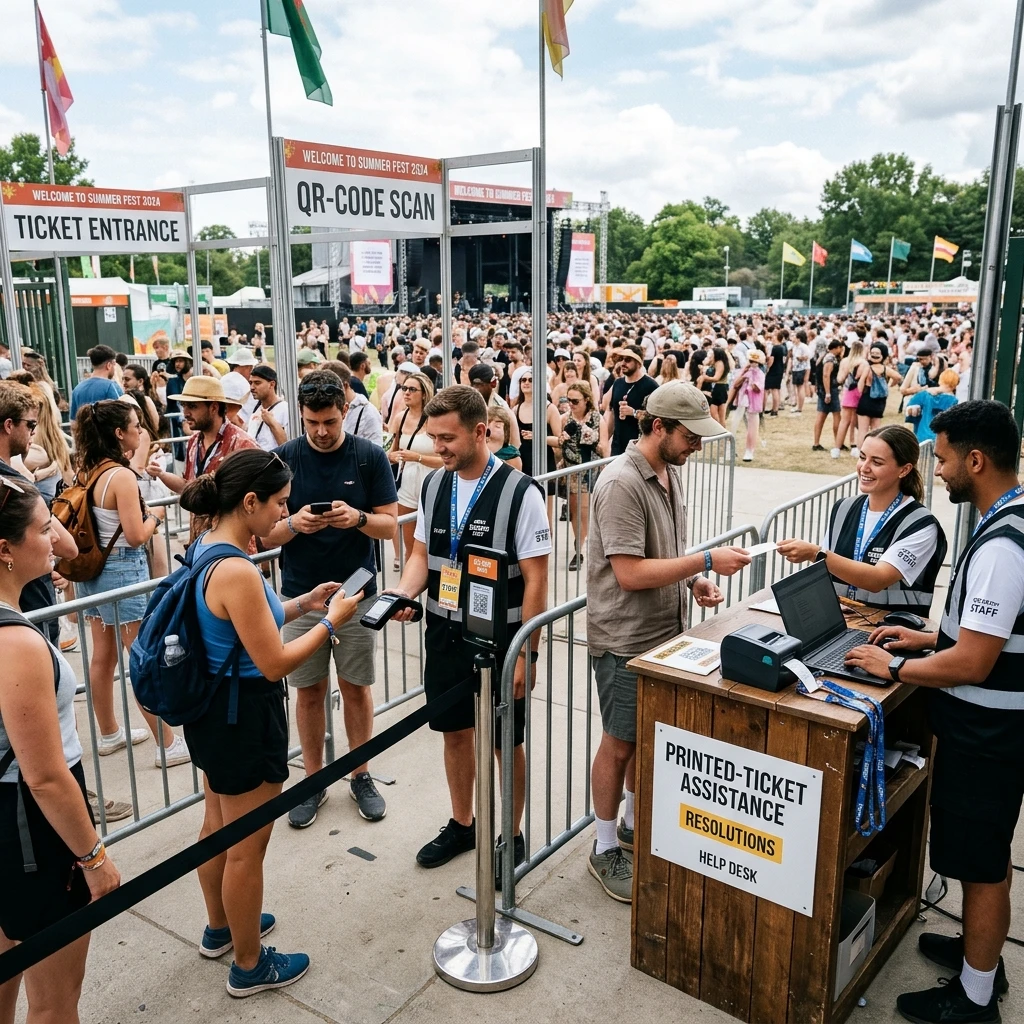
Ticketing may seem like a small part of event planning, but it shapes how people register, receive event information, and enter the venue. Choosing digital tickets and organized check-in can reduce paper and printing waste, while thoughtful alternatives help ensure those changes work for every attendee.
Ticketing is one practical part of event sustainability, not a shortcut to making an event environmentally responsible. Its value comes from fitting into a broader plan to reduce the event’s carbon footprint and use resources more carefully.
Why ticketing matters to event sustainability
Ticketing matters to event sustainability because it affects the materials, communication, and entry processes organizers use. A well-planned ticketing process can reduce unnecessary printing and make event registration more efficient, though it cannot address every source of environmental impact.
Printed tickets, paper guest lists, badges, and repeated attendee handouts can add up, especially when an event prints more than it needs or has to replace outdated information. Digital registration can reduce some of these materials and give organizers a central place to manage attendee details and communicate changes.
There are operational benefits, too. When ticket information is organized before event day, staff can check people in using a consistent process rather than sorting multiple paper lists at the entrance. That can make entry easier to manage, but the result depends on reliable equipment, trained staff, and a workable backup plan.
Think of ticketing as a resource-control point: it helps organizers decide what needs to be produced, shared, and checked. The most useful question is not simply whether a ticket is digital or printed. It is whether each material or step serves a real purpose, and whether a lower-waste option can serve that purpose without excluding anyone.
Digital tickets and paper reduction
Digital tickets can reduce paper and printing waste by letting attendees receive and present their tickets on a phone or other device. They are often a practical default, but printed tickets still matter for some attendees and event situations.
A mobile ticket may arrive by email or through a ticketing platform, often with a QR code that staff scan at the entrance. This can remove the need to print and mail a ticket for each attendee. It can also make it easier to resend a ticket or share event updates if details change. However, a digital ticket still relies on devices, batteries, connectivity in some circumstances, and a check-in process that works on site.
Printed tickets may be needed by people without a suitable device, those who prefer paper, or attendees whose accessibility needs make a digital format difficult to use. Some events also use printed credentials for operational reasons. The sensible goal is to avoid unnecessary printing, not to set a blanket rule that leaves people without a reliable way to enter.
- Make digital tickets the easy default. Explain how attendees can find and present the ticket, and whether they need to download it in advance.
- Offer a print option when needed. Let attendees request support without making them justify a personal or access-related need.
- Reduce avoidable paper. Avoid printing tickets or attendee lists in bulk when live digital records can do the job, while retaining a proportionate contingency plan.
Digital-first ticketing works best when the organizer checks the whole journey: purchase, confirmation, ticket access, and entry. If any step is confusing, attendees may print tickets “just in case,” which weakens the paper-saving aim.
How ticketing platforms can support greener operations
A ticketing platform can support greener operations by centralizing event registration, ticket delivery, attendee communication, and check-in information. The right features can reduce paper-based tasks, but they still require sound planning and accessible alternatives.
For example, digital check-in with QR-code scanning can help staff verify tickets without collecting paper stubs or searching through printed lists. Organizers should test scanners and devices at the venue, confirm how the system handles duplicate scans, and decide what staff will do if power or connectivity fails. Depending on the platform and setup, offline check-in may be available; confirm this before relying on it.
Centralized attendee information can also reduce duplicated spreadsheets and repeated data entry. It gives the team one place to review registrations and send practical updates, such as entry instructions or a reminder to save a ticket before travelling. Collect only the attendee information needed to run the event, and limit access to staff who need it.
Clear attendee communication is part of the system. A concise confirmation email can explain where to find the QR code, whether screenshots are accepted, what to do if a phone is unavailable, and how to request an alternative. Good instructions reduce confusion at the door; a platform cannot compensate for instructions that arrive late or omit essential details.
Make sustainable ticketing accessible to everyone
Sustainable ticketing should offer a convenient digital route and a practical alternative for people who cannot or do not want to use it. Accessibility, device access, and dependable entry must remain part of the plan.
Not every attendee has a smartphone, reliable data, an email address they can access on the day, or the confidence to navigate a ticketing app. Some people may use assistive technology, need a companion’s help, or find small text and time-limited screens difficult. A digital-only policy can turn a paper-reduction measure into an access barrier.
Organizers can make the process more inclusive by offering a printable ticket, a name-based check-in option where appropriate, or help from a staffed box office. Tell attendees how to request an alternative before event day, and make sure front-of-house staff know how to handle those requests discreetly. Provide clear directions in the confirmation message and avoid assuming everyone can install an app.
Test the ticket flow with different devices and assistive settings if possible. Check that QR codes display clearly, that key instructions use plain language, and that staff can resolve a ticket issue without sending someone to the back of a long queue. Accessibility is a design requirement, not an exception to a sustainable ticketing policy.
Practical steps for organizers
Organizers can make ticketing more sustainable by reviewing each step from registration to entry, choosing lower-paper processes where they work, and communicating alternatives clearly. A short checklist helps turn that intent into a usable event plan.
- Map the current process. List what gets printed, including tickets, guest lists, badges, and instructions. Identify what is essential and what is repeated or rarely used.
- Choose a digital-first ticketing setup. Use a ticketing platform that supports the event’s registration and check-in needs, and test QR-code scanning at the venue.
- Set a print policy. Decide who can request printed tickets or other accommodations, how they will receive them, and whether on-site assistance is available.
- Plan for failure. Assign staff to resolve ticket problems and prepare a limited backup process for device, power, or system issues. Keep attendee information secure.
- Write useful attendee instructions. Explain how to access a ticket, whether to save it offline, where to get help, and how to request an alternative format.
- Brief the event team. Make sure registration and front-of-house staff understand the check-in procedure and accessibility options before doors open.
Avoid two common mistakes: assuming every attendee has a usable phone, and printing large batches of paperwork as a precaution without checking whether the information is current or needed. The first creates an access problem; the second can create waste and confusion. A small, controlled backup is usually more useful than an unreviewed stack of printouts.
Measure impact and keep improving
Organizers can improve sustainable ticketing by reviewing what was printed, how check-in worked, and where attendees needed help after each event. These observations show which changes were practical and where the process needs a better alternative.
Start with information the team can collect reliably. Record the types and quantities of tickets, lists, or other ticketing materials printed; note any reprints and why they were needed; and track check-in issues such as failed scans or long queues. You can also ask attendees whether ticket instructions were clear and whether they could access their ticket as expected.
Compare those findings with the previous event or the original plan, but avoid claiming a precise carbon-footprint reduction unless you have a credible method for calculating it. Paper use is one measurable part of ticketing; the full environmental impact of digital systems can involve other factors that are harder to assess. Honest reporting is more useful than a headline number built on assumptions.
Use the review to make one or two specific changes for next time: simplify the confirmation email, improve device testing, adjust print quantities, or make the alternative-ticket request process easier to find. Sustainable event planning improves through operational decisions that can be checked and refined.
Frequently asked questions
Are digital tickets more sustainable than printed tickets?
Digital tickets can reduce paper and printing when they replace printed tickets that would otherwise be produced. The overall impact depends on how the event operates and whether attendees can access the digital option; digital tickets are not automatically the right choice for everyone.
Should organizers eliminate printed tickets entirely?
No. Organizers can make digital tickets the default while keeping printed or staff-assisted alternatives for attendees who need them. Removing every non-digital option may create accessibility and entry problems.
How can attendees access a digital ticket without a smartphone?
They can print the ticket in advance if available, contact the organizer for an alternative, or use an on-site assistance option if the event provides one. Organizers should explain these choices before event day rather than leaving attendees to solve the problem at the entrance.
Can a ticketing platform reduce event waste?
Yes, a ticketing platform can help reduce paper-based registration and check-in tasks through digital ticket delivery, QR-code scanning, centralized attendee information, and clear communications. Its effect depends on the organizer’s setup, staff training, and accessible backup options.