How to Score Sold-Out Concert Tickets: Insider Strategies That Work

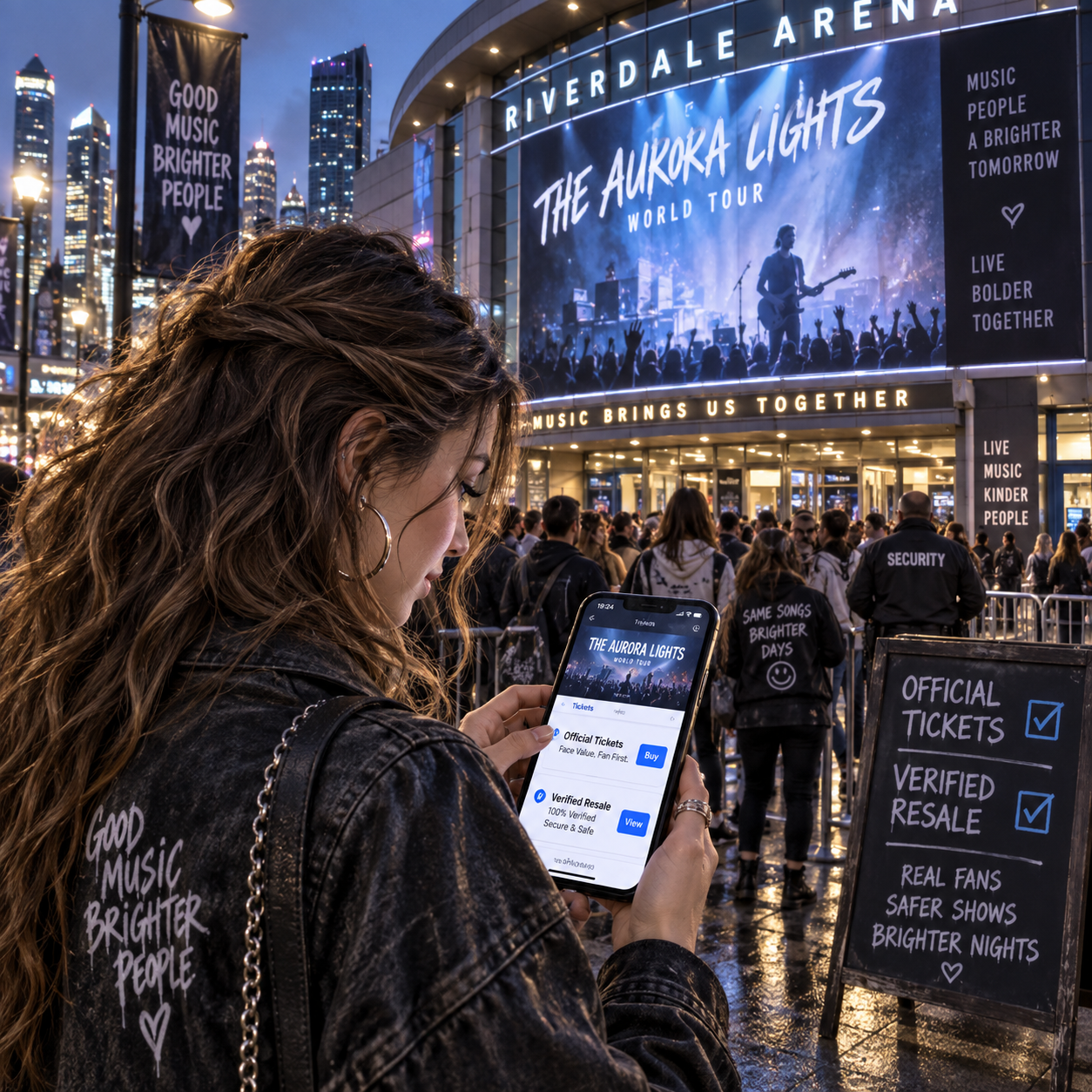
A sold-out concert is not always the end of the search. Tickets can reappear through cancellations, production holds, official resale, ticket transfers, and last-minute inventory changes. The safest approach is to work from official sources outward, compare the total cost, and walk away whenever a listing cannot be authenticated.
Start With Official Ticket Sources
The official ticketing platform, artist website, and venue website are the safest places to check first. Newly released inventory may appear after cancellations, payment failures, production holds are removed, or the event organizer changes the venue setup.
Begin with the artist’s official website and follow its ticket link rather than searching for a seller through an advertisement or social-media post. Check the venue’s event page and the promoter’s website as well. These sources may identify the authorized primary ticketing platform, official resale channel, delivery rules, and any venue-specific restrictions.
- Refresh the event page at different times instead of relying on one search.
- Look for ticket releases labeled as standard, verified resale, fan-to-fan resale, or official exchange.
- Read the event terms before purchasing, especially the transfer and refund policies.
- Confirm that the checkout domain matches the platform linked by the artist, venue, or promoter.
Production holds deserve particular attention. Concert organizers sometimes reserve seats for stage equipment, guest lists, camera positions, or operational needs. Some of that inventory can be released later, although the timing is controlled by the event team and cannot be predicted reliably. A ticket that appears during a legitimate release may disappear quickly, so have your account, payment method, and mobile device ready.
Primary tickets can still include service fees, taxes, delivery charges, and dynamic pricing. Review the final checkout total before deciding that a newly released seat is affordable.
Join Waitlists, Fan Clubs, and Verified Presales
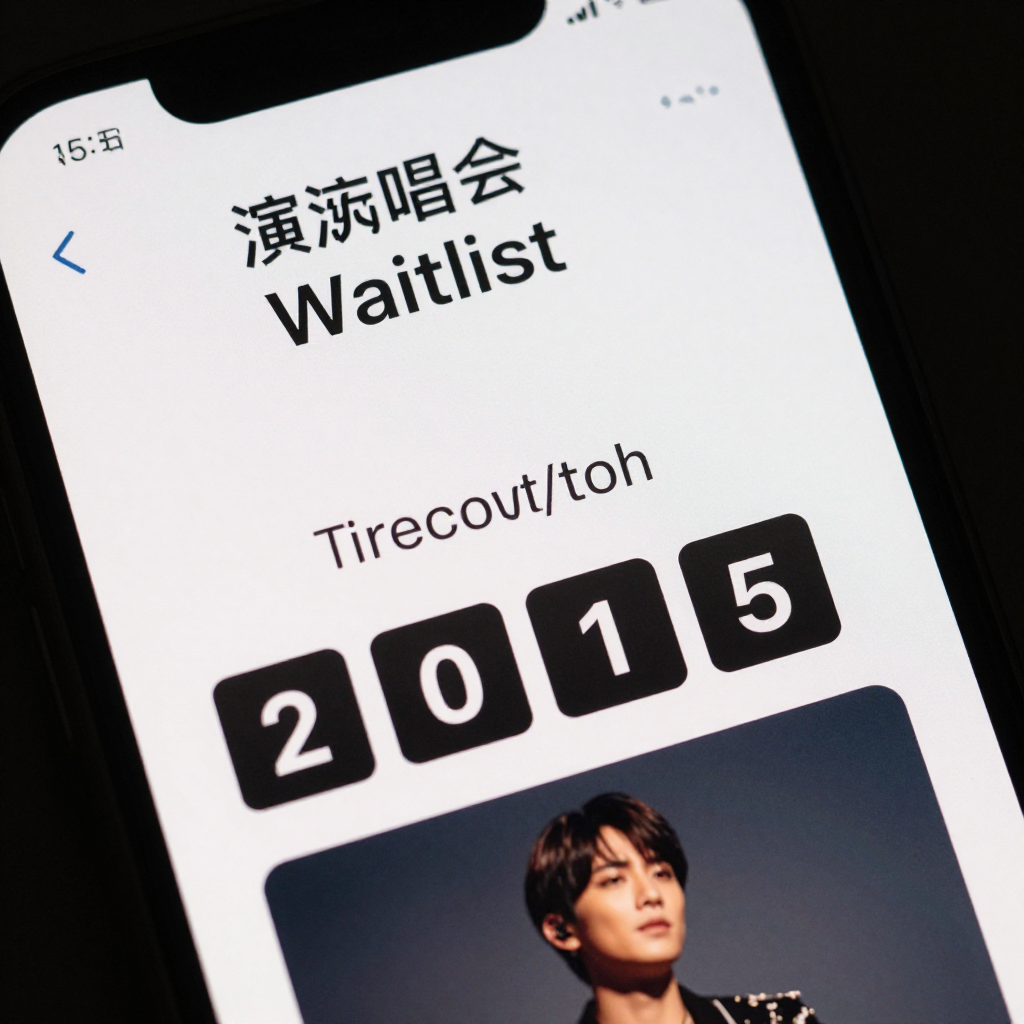
Joining a ticket waitlist, official fan club, or verified presale can give you earlier access when more tickets become available. These programs improve your chances of seeing an offer, but they do not guarantee a ticket or a particular seat.
Sign up for alerts through the artist, venue, promoter, and official ticketing platform. Use an email address and phone number you regularly monitor, then confirm your account before the sale opens. Some waitlists use a registration period followed by a randomized invitation, while others notify subscribers when inventory returns. Read the terms so you understand whether joining creates an obligation to buy.
Make alerts useful instead of noisy
- Enable push notifications for the concert and the official ticketing app.
- Add the event to your calendar with the presale opening time and time zone.
- Keep payment and account details current, but never share one-time security codes.
- Check whether a fan-club membership has a recurring fee or limited cancellation window.
- Use only credentials issued through the official program; do not buy presale codes from strangers.
Presales may be reserved for certain credit-card customers, fan-club members, venue subscribers, or registered users. They can provide useful access, yet they may also show a limited selection, higher-tier pricing, or quantity restrictions. A presale code is not proof that every ticket in the event is available.
Monitor Verified Resale Marketplaces
A verified resale marketplace is generally safer than an unverified seller because the platform controls listing, payment, and ticket transfer procedures. Safety still depends on reading the listing carefully and checking the complete price before payment.
Use the resale link provided by the official ticketing platform or event website whenever possible. On the listing page, review the section, row, seat range, ticket type, restrictions, and estimated delivery method. Some tickets may be mobile-only, non-transferable, restricted-view, VIP packages, or tied to the original purchaser’s name.
Compare listings using the all-in price, not the headline figure. Service fees, taxes, delivery charges, exchange fees, and marketplace charges can materially change the total. Dynamic pricing may also cause the same section to move up or down as demand and inventory change.
- Check whether the marketplace guarantees entry or offers a replacement/refund policy.
- Confirm when the ticket transfer will arrive and whether it must be accepted in a separate account.
- Compare similar seats rather than focusing only on the cheapest listing.
- Read restrictions for age limits, obstructed views, VIP access, and resale eligibility.
- Save the order confirmation and all transfer instructions.
Official resale does not necessarily mean inexpensive resale. Choosing a verified marketplace for stronger buyer protection means accepting that fees and prices may be higher than the original face value. That trade-off is usually easier to evaluate than the uncertainty of an anonymous seller.
Time Your Search Strategically
Check for tickets at several points rather than waiting for one supposedly perfect moment. Inventory often changes after payment deadlines, schedule updates, production decisions, and seller price adjustments, but no timing strategy guarantees availability.
Create a simple search schedule. Check shortly after the original onsale, during normal business hours, in the evening, and periodically during the final week. If the platform offers saved searches or alerts, use them. Avoid constant manual refreshing that encourages rushed decisions or accidental duplicate purchases.
After a payment deadline, some reserved tickets may return to the primary inventory. Near the event date, individual sellers may lower prices because their plans changed. Other sellers may increase prices if demand intensifies or remaining inventory becomes scarce. Watch the market long enough to learn the normal price range, but set a personal limit before emotions take over.
A practical decision filter
- Authenticity: Can the platform validate the ticket and support the transfer?
- Affordability: Does the final total fit your budget after every fee?
- Usability: Can you receive, accept, and display the ticket before entry?
- Value: Is the seat and view acceptable compared with your backup options?
This order matters. A cheap listing that cannot be transferred is not a bargain, and a desirable seat that exceeds your limit can turn a fun night into an expensive regret.
Use Last-Minute Options Carefully
Buying close to showtime can reveal price reductions or newly listed tickets, but it also creates greater delivery, selection, and entry risks. Last-minute purchasing works best when you can tolerate uncertainty and use a platform with clear buyer protection.
Before buying on the event day, confirm the ticket’s delivery deadline. Mobile transfer may be completed within minutes, but some events delay transfers until shortly before the concert. If the ticket remains in the seller’s account or requires an unsupported transfer method, contact the marketplace before traveling to the venue.
Check the venue’s entry policy as well. Some venues accept only tickets displayed in the official app, while others require the original purchaser for certain ticket types. Screenshots are commonly rejected because barcodes can refresh or be linked to a specific account.
- Choose instant-download or immediate mobile-transfer listings only when the platform clearly supports them.
- Keep your phone charged and ensure you can access the ticketing account without public Wi-Fi.
- Do not meet an unknown seller at the venue as your primary plan.
- Leave enough time for customer support if the transfer fails.
The closer you get to the doors, the less room you have to solve a problem. A last-minute deal is useful only when the ticket can be delivered, accepted, and authenticated in time.
Avoid Ticket Scams and Counterfeit Listings
Prevent ticket scams by using verified channels, protected payment, and a transfer process that can be checked inside the official account. Pressure, vagueness, and requests for irreversible payment are strong reasons to stop.
Common scams use copied logos, fake screenshots, stolen social profiles, and urgent claims that another buyer is waiting. A barcode image alone cannot prove ownership. The seller may have copied a real ticket, sold it to several people, or lost access to the account that holds it.
- Pay through the platform’s checkout or another method with meaningful buyer protection.
- Never send cash, cryptocurrency, gift cards, wire transfers, or a direct bank payment to an unknown seller.
- Verify the seller’s identity only through the marketplace’s own account and messaging tools.
- Refuse listings that omit the section, delivery method, ticket type, or restrictions.
- Do not share passwords, verification codes, or copies of identity documents.
- Confirm that the transfer appears in your official ticketing account, not just in an email or screenshot.
If a ticket cannot be transferred, contact the platform and venue before making another payment. For broader consumer guidance on deceptive transactions, the U.S. Federal Trade Commission provides information about reporting fraud and protecting payments. Policies vary by country, so local consumer-protection agencies may also apply.
One useful rule is the three-proof check: prove the source is authorized, prove the payment is protected, and prove the ticket can enter the official transfer or ticketing system. If one proof is missing, the risk rises sharply.
Build a Backup Plan
A backup plan should define your acceptable seat, budget, date, and walk-away point before you buy. Flexibility can improve your options, while a firm safety threshold prevents desperation from driving the decision.
Decide whether you would accept a different section, restricted view, standing area, or single seat. If the concert has multiple dates, compare alternate nights. Nearby venues or cities may also offer legitimate availability, although transportation and accommodation costs belong in the total budget.
- Set a maximum all-in price that includes service fees and travel.
- Choose whether you need seats together or can attend separately.
- Identify the latest safe transfer time before the doors open.
- Keep an alternative concert, livestream, or future date in mind.
Walking away is a valid outcome. No ticket is worth losing money to an unprotected seller or arriving with a barcode the venue cannot validate. A clear backup plan lets you keep searching without treating every listing as your last chance.
Frequently Asked Questions
Can I still buy tickets after a concert sells out?
Yes. Tickets may return through cancellations, production holds, official resale, waitlists, or ticket transfers. Availability and pricing change by event, so use authorized sources rather than assuming every online offer is legitimate.
Are verified resale tickets safe?
Verified resale tickets are generally safer when the marketplace guarantees the order and completes transfer through the official ticketing system. Review the guarantee, restrictions, delivery deadline, and all-in price before purchasing.
When is the best time to look for sold-out concert tickets?
There is no guaranteed best time. Check after payment deadlines, during later production releases, and in the final days when sellers may adjust prices. Continue monitoring official and verified channels instead of relying on one timing theory.
How can I spot a fake concert ticket?
Be cautious when a seller uses pressure, requests irreversible payment, provides only a screenshot, or cannot explain the ticket type and transfer process. A valid ticket should be delivered through an authorized system that supports authentication and entry.
What should I check before completing a ticket transfer?
Confirm the recipient email or account, ticket details, transfer deadline, venue restrictions, and refund or replacement policy. Accept the ticket only in the official platform or app, then save the confirmation and contact support if anything differs from the listing.