Dynamic Pricing Explained: Why Ticket Prices Fluctuate

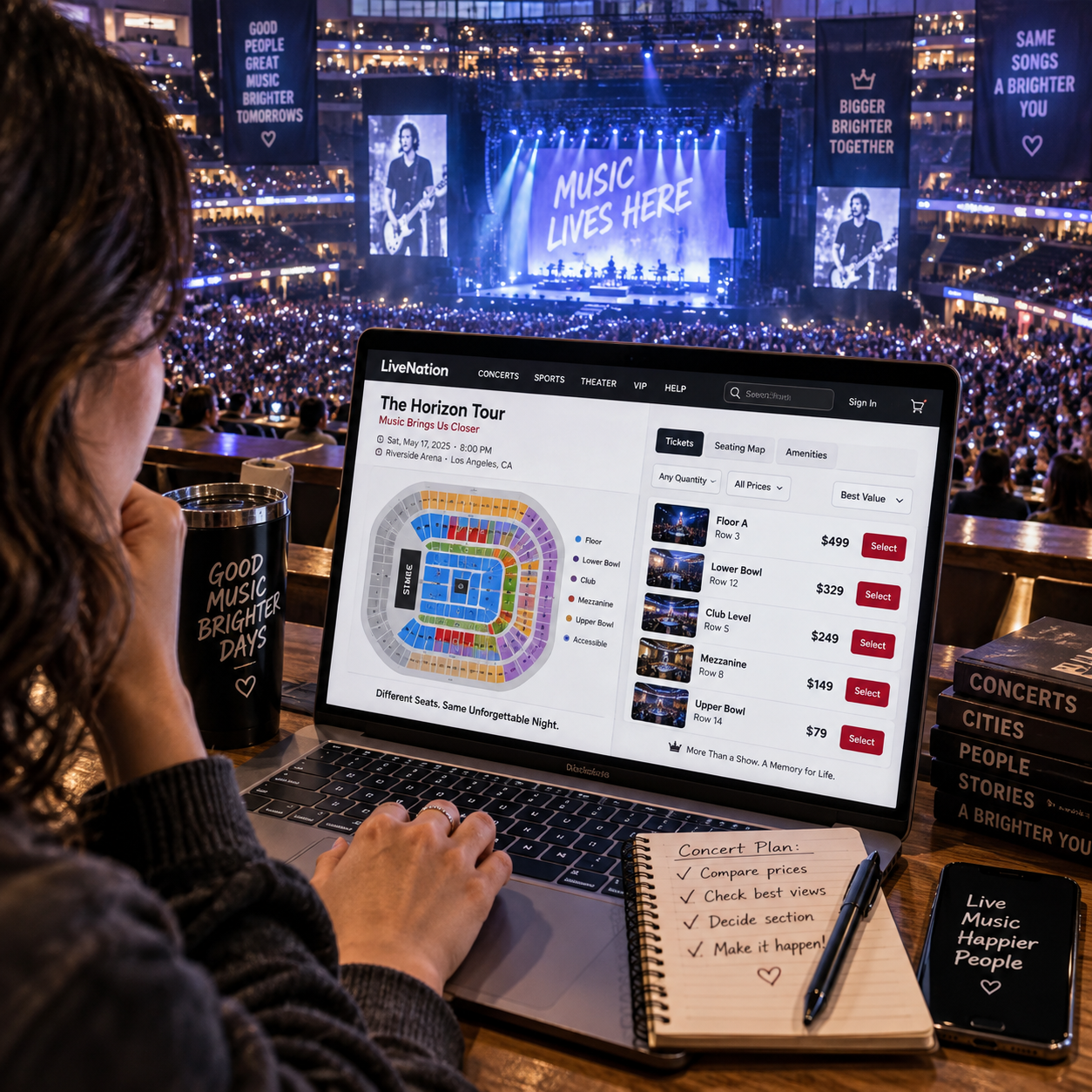
You check an event listing, step away for a while, then return to find a different price. That change may be dynamic pricing: a method some event organizers use to adjust ticket prices as sales conditions change. Understanding the process can help you compare options without assuming that prices will always rise or that waiting will save money.
What Is Dynamic Pricing for Event Tickets?
Dynamic pricing for event tickets means adjusting the price of some tickets over time in response to sales conditions, such as demand and available inventory. Unlike fixed pricing, where a ticket keeps the same listed price, a dynamically priced ticket may cost more or less at a later point.
Organizers, venues, or ticketing partners may use pricing rules or systems to respond to interest in an event. The exact approach varies: some events keep prices fixed, while others adjust prices for selected seats or sections. A price change is not automatic at every event, and it does not necessarily affect every ticket.
For buyers, the key distinction is between the listed ticket price and the final amount due. Ticket fees, taxes, delivery charges, or other costs may be added during checkout. Compare the total for the tickets you want, not just the starting price shown on an event page.
Why Do Ticket Prices Change?
Ticket prices can change when demand, remaining inventory, sale timing, or venue seating conditions change. These factors may influence prices separately or together, depending on the event’s pricing rules.
Ticket demand is one possible influence. If many people are trying to buy a limited number of tickets in a particular section, its price may increase. If sales are slower than expected, prices may stay the same or, where the seller’s rules allow, decrease. Neither outcome is guaranteed.
Ticket inventory matters because only a limited number of seats are available. As particular sections sell out, the remaining options may be in different price ranges or locations. A higher price on the booking page might reflect stronger demand, fewer seats at an earlier price, or a move to another price tier. It does not always mean that every ticket for the event has become more expensive.
Venue seating also shapes what buyers see. A seat closer to the stage, with a clearer view, or in a preferred area may cost more than an option farther away. Prices can differ by section even when they are offered at the same time. Sale timing can matter too, but there is no universal pattern that makes buying early or late the best choice for every event.
When Can Prices Fluctuate?
Prices may change at different points in an event’s ticket sale, including presales, the general sale, and later ticket releases. The timing and frequency depend on the event and the seller’s policies.
A presale gives eligible buyers access before the general sale. Access may require a code, membership, card, or other qualification. Presale tickets are not necessarily cheaper, and a presale price does not promise a particular price during the next sale stage. Availability may also be limited to selected sections or quantities.
During the general sale, tickets become available to the broader public. High traffic, changing inventory, or a pricing rule may affect the prices displayed while the sale is underway. If a seat disappears from a cart, it may have been purchased or released back into the available inventory; the booking page is the best place to confirm what remains and at what price.
Additional tickets can sometimes appear later. Organizers may release held seats, adjust production or venue arrangements, or make returned tickets available, but practices vary. Such releases do not guarantee lower prices. Check the event’s official booking page for current availability rather than relying on a prediction about when tickets will be cheapest.
Dynamic Pricing vs. Fixed Price Tiers
Dynamic pricing changes a ticket’s price in response to changing conditions, while fixed price tiers set prices in advance for defined groups of tickets. An event can use one method or combine both.
With fixed price tiers, an organizer might offer a set number of seats at one price, then sell the next group at a higher preset price. The change happens when inventory moves from one tier to another, even if demand itself is not being recalculated in real time. A buyer may see a price increase because the lower-priced allocation has sold out.
Dynamic pricing can also operate alongside these tiers. For example, an event might assign different starting prices to venue sections and allow some prices to change as demand and inventory shift. From a buyer’s perspective, the displayed price alone may not reveal which method is in use. Look for pricing explanations on the event page, and treat the checkout price and seat details as the most useful information for making a decision.
What Ticket Buyers Should Know Before Purchasing
Before buying, confirm the current ticket price, the full cost with fees, the exact seat or section, and the purchase terms. These details help you judge an offer on its actual value rather than on a headline price.
- Review the total: Check the order summary for ticket fees, taxes, delivery charges, and any other costs before submitting payment.
- Check the seat details: Confirm the venue section, row, seat numbers when provided, and any view or accessibility information.
- Read the terms: Review the seller’s rules for refunds, exchanges, transfers, delivery, and resale. These policies differ by event and ticket provider.
- Verify the seller: Use the event organizer’s or venue’s official ticketing route where possible, especially if a price looks unusually low.
Prices can change while you browse, and a ticket in your cart may not be reserved indefinitely. Check the displayed price again before completing the order. If the final total or seat location no longer suits you, it is reasonable to stop and compare other available options.
Tips for Making an Informed Purchase
To make an informed ticket purchase, set your limits first, compare available sections, and assess the full checkout cost before deciding. This approach helps you choose based on what matters to you rather than trying to predict every price movement.
- Set a total budget. Decide the maximum you are willing to spend per ticket, including fees and any delivery costs. If you are buying several tickets, calculate the full group total.
- Compare seats by value. Check more than one venue section and weigh the view, location, and price. A cheaper seat may be a sensible choice if the location works for you; a premium seat may be worth more if proximity is a priority.
- Separate certainty from speculation. The booking page shows current options, but it cannot tell you with certainty whether prices will rise or fall later. Avoid making a purchase solely because you expect a particular future price.
- Review the final screen. Confirm ticket quantity, seat details, fees, and purchase terms before paying. If something differs from what you selected, pause and check the order.
Waiting can preserve your budget if the current options exceed it, but it can also mean fewer seats or different locations remain. Buying now can secure a seat you want, while committing before comparing the full cost may lead to regret. There is no guaranteed best time for every event, so make the decision against your budget and priorities.
Frequently Asked Questions
These answers cover common questions about changing ticket prices, sale stages, and checkout costs. Exact practices vary by event and ticket seller.
Can ticket prices go down as well as up?
Yes, prices can go down when the seller’s pricing rules allow it, but a decrease is not guaranteed. Prices may also stay the same or rise, and available seats can change at the same time.
Does dynamic pricing affect every ticket for an event?
No. An event may apply dynamic pricing only to selected sections or ticket types, or it may use fixed prices throughout. Check the event page for the options currently available.
Are fees included in the displayed ticket price?
Not always. Some booking pages show fees separately or add them during checkout. Review the order summary for the full amount due before completing your purchase.
Is dynamic pricing the same as a presale?
No. A presale is an early access period for eligible buyers; dynamic pricing is a way of adjusting ticket prices. A presale can use fixed prices, dynamic pricing, or a combination of approaches.