Avoiding Ticket Scams: A Complete Safety Guide for Buyers

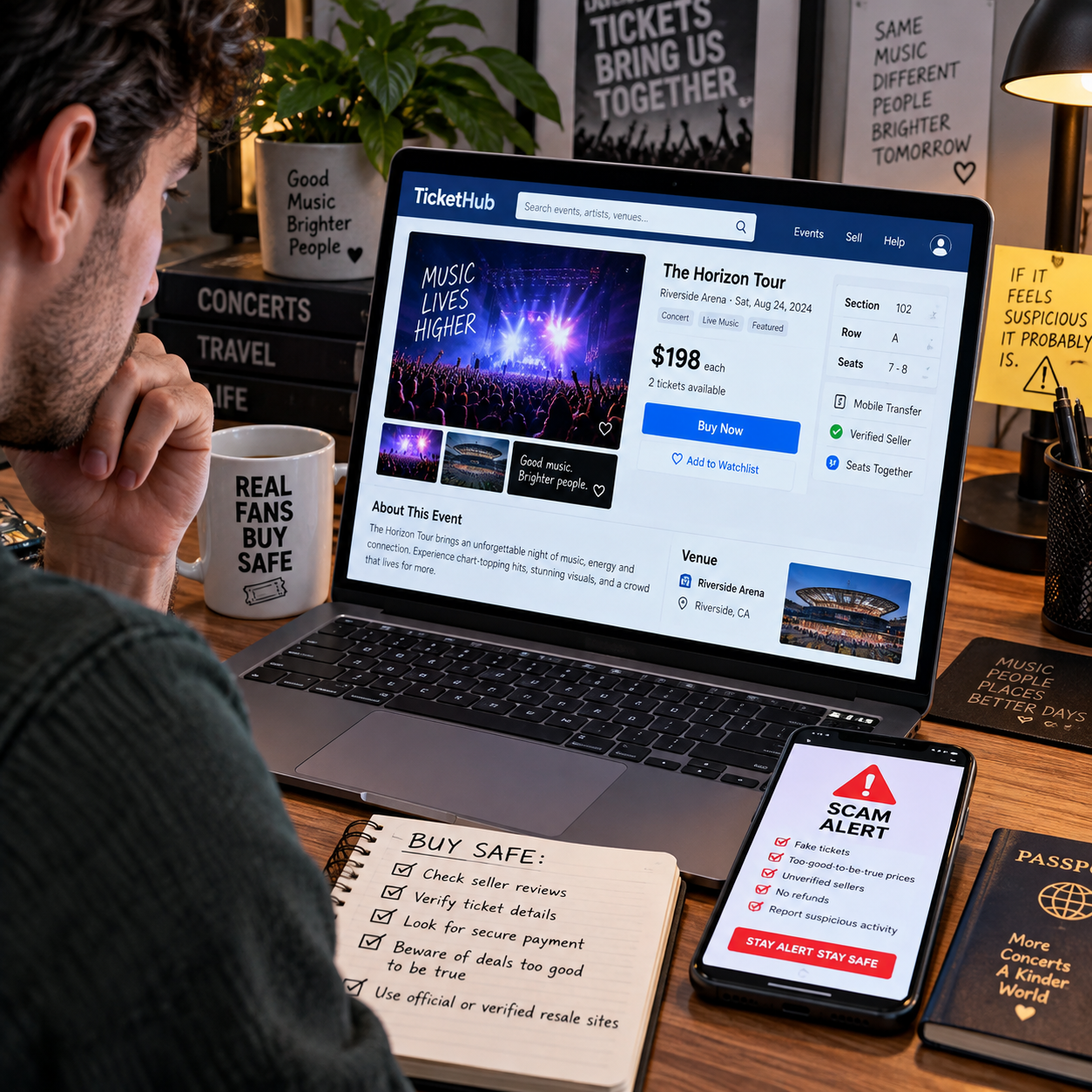
Buying tickets online should be straightforward, but popular concerts, sports games, festivals, and theater shows also attract fraudsters. A convincing listing can hide a fake ticket, a duplicated barcode, or an event that does not exist. The safest approach combines seller verification, careful listing checks, a secure payment method, and records you can use if something goes wrong.
Why Ticket Scams Are Common
Ticket scams are common because high-demand events create urgency, limited supply, and strong emotions. When official tickets sell out, buyers may accept unfamiliar sellers or unusually high prices without completing basic checks.
Scammers take advantage of the gap between what buyers want and what they can verify. A major event may have thousands of genuine tickets, yet buyers often see only a screenshot, a social media profile, or a short message claiming that tickets are available. Limited availability makes people fear missing out, while a large discount can make an unsafe offer seem like a lucky opportunity.
Risk increases when the transaction happens outside an established ticketing system. An official ticket seller or authorized resale marketplace usually provides order records, defined transfer procedures, customer support, and some form of buyer protection. A private seller may be genuine, but identity, ownership, and refund options are harder to confirm.
Before buying, identify the event organizer and check the event’s official website or verified social account. Follow its ticket links rather than relying on a search advertisement, forwarded message, or unfamiliar URL. The [Federal Trade Commission’s guidance on ticket scams](https://consumer.ftc.gov/consumer-alerts/2023/05/ticket-scams-what-you-need-know) also recommends researching sellers and avoiding payment methods that make recovery difficult.
Common Ticket Scams to Watch For
Common ticket scams include fake tickets, duplicated tickets, phishing links, nonexistent events, and payment fraud. Scammers often combine one of these tactics with pressure to pay immediately.
- Fake tickets: The seller creates a realistic-looking PDF, mobile pass, or barcode that was never issued by the venue or ticketing system.
- Duplicated tickets: A genuine ticket is copied and sold to several people. The first barcode scanned may work, leaving later buyers outside.
- Counterfeit listings: A scammer copies a real event listing, venue image, or seat map and publishes it under a different account.
- Nonexistent events: The seller advertises an event using a real venue or performer’s name, even though no such performance is scheduled.
- Phishing links: A message directs you to a fake checkout page designed to steal login details, card information, or one-time security codes.
- Payment scams: The seller requests a wire transfer, gift card, cryptocurrency, cash, or a direct payment that has little or no dispute protection.
- Ticket-transfer fraud: A seller claims to have transferred a ticket, but the email is fabricated, the transfer is canceled, or the ticket remains tied to another account.
Pressure is part of the fraud pattern. Statements such as another buyer is ready, pay within ten minutes, or the price expires now are reasons to slow down, not reasons to skip verification.
Warning Signs of a Fake or Risky Ticket Listing
A risky ticket listing usually combines an unrealistic price, unclear seller information, inconsistent event details, or an unsafe payment request. One warning sign may have an innocent explanation; several together should end the transaction.
- Unusually low pricing: Compare the offer with the official seller and established resale listings. A discount that is dramatically below the normal range needs a verifiable explanation.
- Vague seller identity: Be cautious when a seller will not provide a full name, transaction history, or a clear explanation of ticket ownership.
- Copied images: Stock venue photos, screenshots with mismatched fonts, and identical images appearing across multiple accounts can indicate a copied listing.
- Inconsistent information: Check the date, start time, venue, section, row, seat, ticket type, and entry restrictions. Errors often expose a fabricated offer.
- Suspicious URLs: Look for misspellings, extra words, unusual domains, or a checkout page reached through an unsolicited message. A padlock alone does not prove that a website is legitimate.
- Poor communication: Evasive answers, changing stories, refusal to use the platform’s messaging system, or sudden urgency are significant concerns.
- Unsafe payment requests: Do not send money through methods that cannot reliably identify the recipient or support a dispute.
Ask one practical question: What evidence would still exist if the seller disappeared after payment? A platform order page, receipt, verified account, and documented transfer provide a stronger record than a private chat and a screenshot.
How to Verify a Ticket Seller and Listing
To verify a ticket seller and listing, confirm the event through official channels, inspect the seller, and understand the transfer and refund rules before paying. Complete the checks in order; do not let a seller’s urgency change the sequence.
- Start with the event organizer. Visit the organizer, venue, artist, team, or promoter’s official website. Confirm that the event exists and identify its official ticketing partners.
- Check the seller’s status. Prefer the official ticket seller or an authorized resale marketplace named by the event organizer. If buying from a private seller, verify their identity and look for a consistent transaction history, while recognizing that reviews can be fabricated.
- Read the resale policy. Confirm whether resale is permitted, whether tickets are mobile-only, and whether the platform offers a refund or replacement if entry is denied. Buyer protection terms vary, so read the conditions rather than relying on a logo or headline.
- Inspect ticket details. Match the event name, date, venue, section, row, seat, admission type, and restrictions. A screenshot is not proof that the ticket is valid or transferable.
- Confirm the transfer process. A legitimate ticket transfer normally occurs through the original ticketing account or the approved platform. Do not share your password, authentication code, or account recovery information.
- Keep communication on-platform. Messages, listing details, order numbers, and support records are easier to preserve when the transaction stays within the authorized marketplace.
- Use a verification pause. If the seller refuses any reasonable check, end the conversation. A genuine seller may be disappointed, but should not need secrecy to complete a normal sale.
These checks do not guarantee entry, especially when event policies change or a ticket is transferred incorrectly. They substantially improve your evidence and reduce the chance of buying from an impersonator.
Safer Ways to Pay for Event Tickets
The safest way to pay for event tickets is through a reputable ticket platform using a payment method that offers buyer protection. Protection can improve your options, but it is not an automatic guarantee of a refund.
Pay inside the official seller’s checkout or an authorized resale marketplace whenever possible. A credit card may provide a dispute process for certain unauthorized or undelivered purchases, and some reputable payment services offer transaction protections under specific conditions. Review the provider’s rules, deadlines, and exclusions before relying on them.
Avoid sending money directly to an unknown seller through:
- Wire transfers or bank transfers
- Gift cards or prepaid vouchers
- Cryptocurrency
- Cash or cash-deposit arrangements
- Friends-and-family payments that remove purchase protections
Choosing a protected checkout may cost more in service fees, but that cost buys documentation and a defined support route. A private direct sale can appear cheaper while leaving you responsible for verifying the ticket, proving the fraud, and pursuing recovery. Never share a card security code, account password, or one-time login code with a seller.
What to Do After Buying—or If Something Goes Wrong
After buying, save every record, confirm the ticket transfer promptly, and report problems as soon as you identify them. Fast action preserves evidence and may protect your ability to request a refund or chargeback.
After a normal purchase
- Save the receipt, confirmation email, order number, listing, seller messages, and payment record.
- Take screenshots of the ticket details and stated refund or transfer policy.
- Accept a legitimate ticket transfer through the approved account or mobile application.
- Check that the event, seat, date, and ticket name match your purchase.
- Use a unique password and multifactor authentication for the ticketing account.
If the ticket is fake, invalid, or never delivered
- Contact the seller or marketplace through its official support channel and explain the problem clearly.
- Contact the event organizer or venue to ask whether the ticket can be validated and to report the seller if appropriate.
- Contact your card issuer or payment provider promptly and ask about its dispute or chargeback process. Provide receipts, messages, screenshots, and rejection details.
- Report suspected fraud to the relevant consumer-protection or law-enforcement channel in your country. Do not continue negotiating if the seller asks for more money to release a refund.
- Secure any account involved. Change passwords, revoke unfamiliar sessions, and monitor payment accounts if you clicked a suspicious link.
If a ticket is rejected at the venue, ask staff for a written explanation or incident reference when available. Record the time, gate, event details, and any evidence showing that the ticket was invalid. A payment dispute is assessed by the provider, so accurate documentation matters.
Ticket-Buying Safety Checklist
Use this ticket-buying safety checklist before paying: verify the seller, compare the price, confirm the event, use protected payment, and keep complete records. If any major check fails, pause the purchase.
- ☐ I confirmed the event and official ticket partners through the event organizer or venue.
- ☐ I know whether I am buying from an official ticket seller, authorized resale marketplace, or private seller.
- ☐ The price is plausible, and the seller has not used extreme urgency or pressure.
- ☐ The listing includes consistent event, seat, date, and ticket-type details.
- ☐ The website address is correct, and I reached checkout through a trusted source.
- ☐ I understand the ticket transfer, cancellation, refund, and buyer protection policies.
- ☐ I am using a secure payment method rather than cash, wire transfer, gift card, cryptocurrency, or an unprotected direct payment.
- ☐ I will not share passwords, one-time codes, or account access with the seller.
- ☐ I saved the receipt, listing, messages, ticket details, and payment confirmation.
Social media listings are not automatically scams, but a profile is not proof of legitimacy. Treat every private offer as unverified until the seller, ticket details, transfer process, and payment protections all make sense. A few minutes of checking can prevent a stressful dispute on event day.
Frequently Asked Questions About Ticket Scams
How can I tell if an online ticket seller is legitimate?
Check whether the seller is listed by the event organizer, venue, or official ticketing partner. Review the platform’s buyer protection and transfer rules, inspect the listing for inconsistencies, and avoid sellers who demand immediate payment outside the platform.
Are tickets sold on social media safe to buy?
Social media tickets carry added risk because profiles and reviews can be copied or manipulated. If you proceed, verify the event independently, keep communication documented, and use a payment method with applicable buyer protection. Never treat a social profile as seller verification by itself.
What is the safest way to pay for event tickets?
Use the official ticket seller or an authorized resale marketplace and pay through its checkout with a payment method that offers a dispute process under its terms. Avoid irreversible payments to unknown individuals.
Can I get a refund for fake or invalid tickets?
You may have options through the ticket platform, event organizer, card issuer, or payment provider, but outcomes depend on the purchase terms, evidence, payment method, and reporting deadline. Contact each relevant party promptly and provide complete records.
What should I do if my ticket is rejected at the venue?
Ask venue staff for the reason and any available incident reference, then contact the seller or marketplace immediately. Preserve the rejected ticket, receipt, messages, and payment record, and ask your payment provider about its dispute process.